
Foot pain affects nearly one in four adults older than 45, and research shows mobility limitations often begin with small changes in balance, posture, or walking patterns. Experts from the American Podiatric Medical Association note that the feet can reveal early warning signs linked to circulation issues, arthritis, nerve conditions, and inflammation long before more serious mobility problems appear.
Modern preventive care increasingly looks beyond basic fitness measurements and annual checkups. Programs connected to personalized longevity medicine often include movement assessments, gait evaluation, posture analysis, and inflammation monitoring as part of a broader wellness strategy. Data from the National Institute on Aging suggests that maintaining mobility and balance later in life strongly influences independence, injury prevention, and overall quality of life.
Why Foot Health Matters More With Age
Feet absorb pressure with every step. Over time, wear and tear can affect joints, muscles, tendons, and circulation. Small changes may seem harmless at first, yet they can gradually alter the way the body moves.
Research published by the Centers for Disease Control and Prevention indicates that mobility problems increase the risk of falls, which remain one of the leading causes of injury among older adults. Foot discomfort can also reduce physical activity levels, leading to weaker muscles, reduced cardiovascular health, and declining balance.
Several common foot-related symptoms deserve attention:
- Persistent swelling or cold feet that may point to circulation problems
- Numbness or tingling linked to nerve irritation or diabetes
- Heel pain or arch discomfort associated with inflammation
- Changes in walking posture caused by joint stiffness
- Toenail discoloration or skin changes that may indicate infection or vascular issues
- Frequent instability or loss of balance while walking
Specialists from the Mayo Clinic explain that mobility changes often develop gradually. Many people adapt unconsciously by shortening their stride or avoiding movement, which can accelerate physical decline over time.
Step 1: Monitor Daily Foot Comfort and Mobility
One of the simplest preventive habits is paying attention to how the feet feel during normal daily activity. Pain should not automatically be accepted as a normal part of aging.
Start by noticing patterns:
- Do the feet ache after standing for short periods?
- Has balance become less stable?
- Do certain shoes suddenly feel uncomfortable?
- Is walking speed slower than before?
Data from the Harvard Medical School shows that walking speed can reflect broader health and aging patterns. Reduced walking pace sometimes correlates with muscle loss, cardiovascular decline, and decreased joint flexibility.
Keeping a short mobility journal can help identify gradual changes that are easy to overlook. Tracking soreness, stiffness, or swelling for several weeks may reveal trends worth discussing with a healthcare professional.
Step 2: Check Circulation and Skin Changes
Circulation plays a major role in foot health. Poor blood flow can slow healing, increase discomfort, and affect tissue health over time.
Experts from the American Heart Association note that cold feet, persistent swelling, and skin discoloration may sometimes reflect vascular concerns. Monitoring the feet regularly can help people recognize early signs before complications become more serious.
Simple self-check habits include:
- Looking for swelling around the ankles and toes
- Checking for dry, cracked skin or wounds that heal slowly
- Watching for color changes such as pale or bluish skin
- Comparing temperature differences between both feet
These observations become especially important for individuals managing diabetes, high blood pressure, or inflammatory conditions.
Step 3: Evaluate Posture and Walking Mechanics
Foot function affects the knees, hips, and lower back. A small imbalance in the feet can shift posture throughout the body.
Research from the National Library of Medicine shows that gait abnormalities are often connected to declining muscle strength, neurological conditions, and joint degeneration. Over time, these changes may reduce confidence in movement and increase fall risk.
Several posture-related signs deserve attention:
- Uneven shoe wear patterns
- Leaning more heavily on one side while standing
- Difficulty climbing stairs
- Shortened walking stride
- Lower back discomfort linked to standing posture
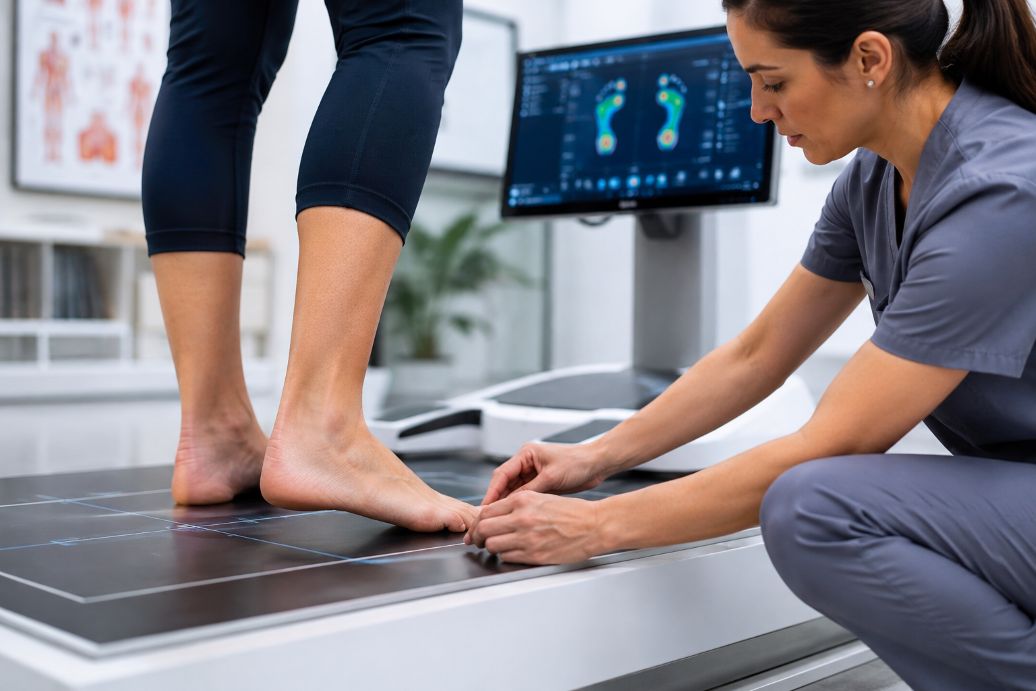
Simple movement assessments can help identify concerns early. Recording a short walking video or having a physical therapist evaluate gait mechanics may reveal issues that are not obvious during daily routines.
Step 4: Support Joint and Muscle Health
Strong muscles help protect foot joints and maintain balance. Weakness in the calves, ankles, or toes can reduce stability and increase strain on connective tissues.
The Arthritis Foundation notes that regular movement helps maintain joint flexibility and circulation. Gentle strengthening exercises often support mobility more effectively than long periods of inactivity.
Helpful habits include:
- Stretching the calves and arches daily
- Practicing balance exercises such as standing on one foot
- Wearing supportive footwear with proper cushioning
- Avoiding prolonged sitting without movement breaks
- Maintaining a healthy body weight to reduce joint pressure
Footwear also matters more with age. Shoes that lack support may contribute to knee strain, poor posture, and instability. The American Academy of Orthopaedic Surgeons recommends selecting shoes with proper arch support, secure heel structure, and non-slip soles for long-term mobility protection.
Step 5: Include Mobility in Preventive Wellness Planning
Preventive healthcare increasingly recognizes movement quality as a major indicator of healthy aging. Longevity-focused care often includes assessments that measure flexibility, strength, recovery, balance, and endurance rather than focusing only on laboratory values.
Researchers from the World Health Organization emphasize that healthy aging involves maintaining functional ability and independence for as long as possible. Mobility plays a direct role in that process.
Healthcare providers may evaluate:
- Walking speed and coordination
- Joint mobility and flexibility
- Inflammation markers
- Muscle mass retention
- Fall risk and balance stability
These evaluations help identify lifestyle adjustments before severe mobility decline occurs. Early action can support continued independence, social activity, and physical resilience later in life.
Long-Term Habits That Protect Foot Function
Healthy feet rely on consistent daily care rather than occasional treatment. Small preventive habits often make the biggest difference over time. Resources discussing foot health and spa care for overall wellness also highlight how circulation support, skin care, stress reduction, and mobility maintenance contribute to long-term physical function and comfort.
Practical long-term strategies include:
- Walking regularly to maintain circulation and joint flexibility
- Replacing worn-out shoes before support declines
- Managing inflammation through balanced nutrition and hydration
- Scheduling routine foot examinations when mobility changes appear
- Strengthening leg and core muscles to support balance
- Avoiding smoking, which can impair circulation
Experts from the Cleveland Clinic also recommend paying attention to recovery after physical activity. Persistent soreness, swelling, or instability may indicate underlying issues that deserve professional evaluation.
Conclusion
Feet often reveal early signs of broader health changes connected to circulation, inflammation, posture, and mobility. Small symptoms such as stiffness, balance problems, or discomfort while walking may signal deeper concerns related to aging and long-term wellness.
Preventive care strategies increasingly recognize that healthy aging depends heavily on movement quality and physical independence. Monitoring foot health, maintaining strength and flexibility, and addressing mobility changes early can help support stability and daily function over time.
Consistent attention to mobility may not stop aging, but it can improve resilience, confidence, and quality of life for many years. Healthy movement remains one of the strongest foundations for long-term wellness and independence.